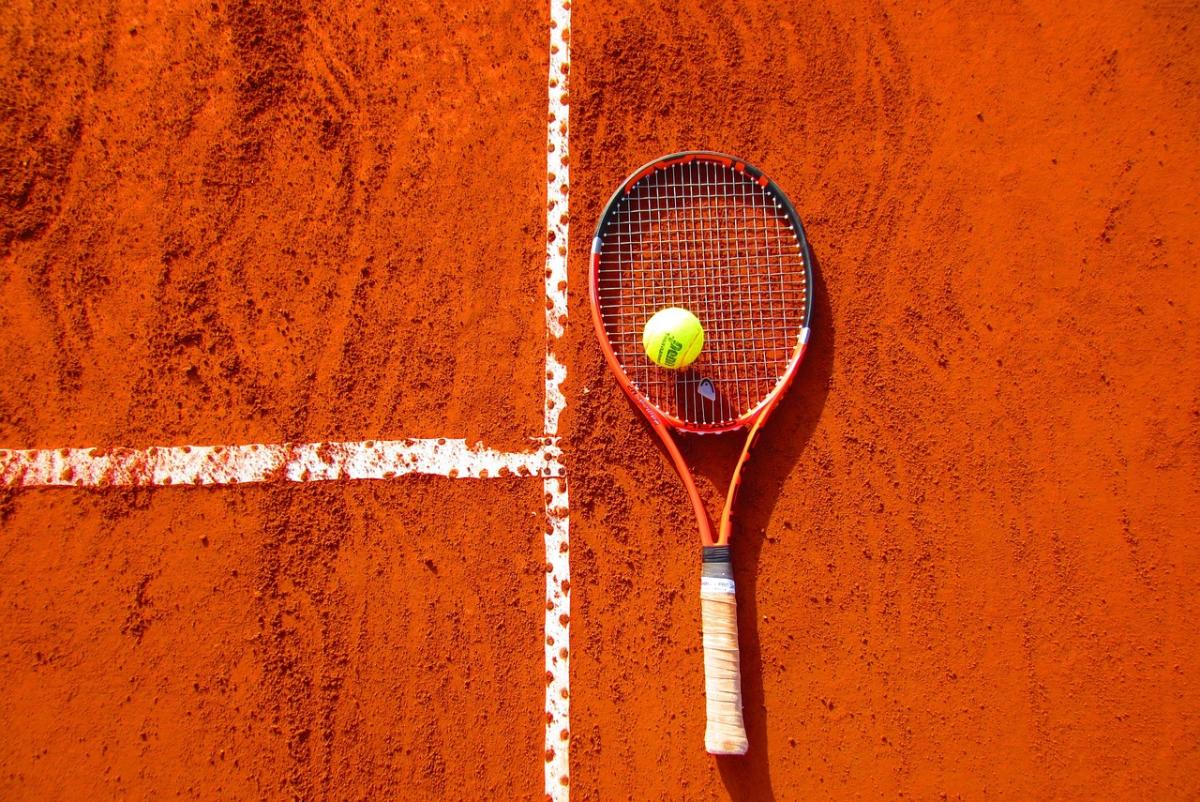
When it comes to racquets, there’s a lot to choose from, and each type has its own vibe and purpose. Let’s break them down so you can find the right match for your game.
Tennis Racquets: These are your classic racquets, designed for players who love to hit the court. They come in various sizes, weights, and head shapes. A larger head provides a bigger sweet spot, which is great for beginners. If you're more advanced, a smaller head might give you better control. Most tennis racquets balance power and precision, making them a solid choice for all types of players.
Squash Racquets: Squash racquets are lightweight and have a smaller head compared to tennis racquets. This design helps with quick reactions and maneuverability in the fast-paced game of squash. The strings are usually tighter, which creates more control over shots. If you're diving into squash, look for a racquet that feels comfortable in your hand for those rapid-fire exchanges.
Badminton Racquets: These are even lighter, designed for swift movements. The frame is usually slim, and the strings are tensioned to allow for quick, precise shots. Badminton players rely on speed and agility, so a well-balanced racquet will help with that quick back-and-forth. For beginners, a sturdier model can enhance your gameplay as you develop skills.
Pickleball Racquets: If you haven’t heard about pickleball, it’s a fun blend of tennis, badminton, and table tennis! Pickleball racquets are typically made from composite materials, making them lightweight yet durable. They come with wide faces for better ball control and power. This racquet is perfect for players who enjoy a casual yet competitive game.
Finding the Right Racquet for You
Choosing the right racquet can make a big difference in your game, whether you're just starting out or looking to level up. It’s all about finding what feels right for you and fits your playing style. Here are a few things to consider as you search for your perfect match.
1. Know Your Skill Level: If you're a beginner, look for racquets that are lightweight and have a larger head size. This makes it easier to hit the ball and gives you a bigger sweet spot. For intermediate and advanced players, you might want a more control-oriented racquet, which can help you place your shots more precisely.
2. Consider the Strings: Did you know that the type of strings can affect your game too? Softer strings provide more power but can sacrifice control, while stiffer strings offer better precision but might be less forgiving. Think about what’s most important for your style—power, control, or a balance of both.
3. Grip Size Matters: The grip size can totally change how you handle the racquet. A grip that’s too small can lead to wrist issues, and one that’s too large might be hard to control. To find your size, hold the racquet with your dominant hand. You should be able to fit the index finger of your other hand in the space between your fingers and palm.
Take your time when picking a racquet. If possible, try out a few different options before you make a decision. You want it to feel comfortable and natural in your hand, so it enhances your playing experience rather than hinders it!
Key Features to Consider in Racquets
When it comes to choosing the right racquet, there are a few key features that can make a big difference in your game. Here’s what to keep in mind as you shop around:
Keeping these features in mind will help you find a racquet that's just right for you. Each player has unique preferences, so don’t hesitate to test a few options before making your decision!
How to Choose the Best Racquet
Choosing the right racquet can make a huge difference in your game. It’s not just about picking up any old racquet; it’s about finding one that fits your style and comfort. Here are a few things to keep in mind while you shop around.
1. Skill Level: Your experience level matters! If you’re just starting, look for a lightweight racquet that’s easy to handle. Beginners should focus on racquets that offer good power and forgiveness, while advanced players might prefer something that provides more control and precision.
2. Grip Size: Comfort starts with the grip. Make sure to find the right grip size for your hand. If the grip is too small, you might strain your wrist; too large, and you’ll struggle with control. As a general rule, you can check grip size by holding the racquet: you should be able to fit the index finger of your other hand in the space between your fingers and palm.
3. Head Size: Larger head sizes give you a bigger sweet spot, making it easier to hit the ball. This is great for beginners or casual players. Smaller head sizes provide more control and are preferred by advanced players who can hit the ball with precision.
4. Weight and Balance: Heavier racquets offer more stability, while lighter ones are easier to swing. Consider how much power and maneuverability you want. Also, think about whether you want a racquet that’s balanced towards the head (for power) or towards the handle (for control).


